
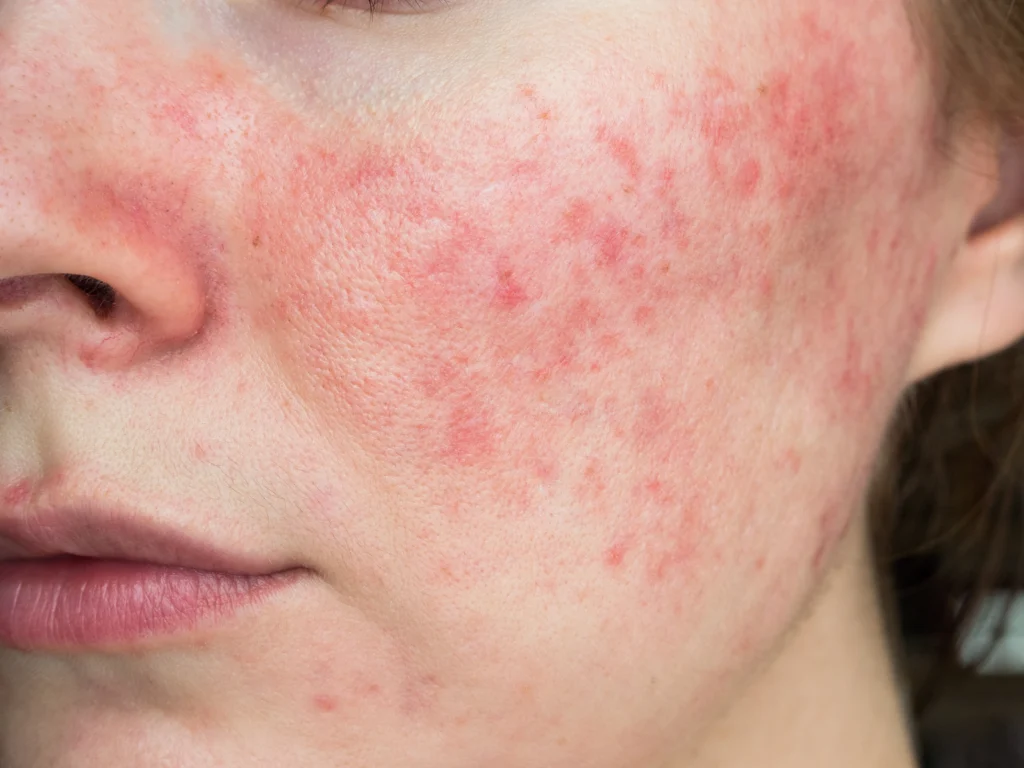
Changing up your daily medications, taking an antibiotic, or starting a new supplement can actually show on your skin. Medications can have multiple side effects, including drying out your skin, pigmentation changes, and thinning. If you have noticed enhanced irritation or breakouts, your medications may be the culprit. In this blog, we will discuss common medications that cause skin reactions and how you can combat them.
Common Skin Drug Reactions
Different ingredients inside medications will have a variety of effects on your skin, but there are some common ones that most users will experience. Not all skin reactions are a cause for concern, while some may require professional medical attention.
Here are some common medications and reactions you may notice on your skin.
- Antibiotics: sun sensitivity and rashes
- Acne medications: dryness, slower cell turnover, and chapped lips
- Heart medications: blue-gray skin discoloration
- Ibuprofen: severe skin reactions and photosensitivity
- Antihistamines: reduced oil and water production
Skin Irritation And Sensitivity
The most common reaction to medication is skin sensitivity, which isn’t something you need to seek medical attention for, typically. Hightened sensitivity can lead to additional problems like breakouts, itchiness, or blisters. Sensitivity to other factors or skincare products can also be a side effect of new medications. You may sunburn more easily, experience redness after using facial products, or have skin discoloration after being outside without sunscreen. If you experience burning after using a product or when being in the sun, consult your doctor or dermatologist.
Rashes And Hives
Red bumps or peeling blisters typically indicate hives and rashes caused by medication. When your immune system doesn’t respond well to a food or medication, it can react outwardly through your skin. Rashes are one of the most common reactions to a new medication, especially if you have severe symptoms on top of that, including fever, difficulty breathing, or peeling skin.
Pigmentation Changes
While your skin does have a different texture and coloring normally, severe pigmentation changes can be linked to medications. Blue or gray sections of your skin are seen as abnormal and may cause your skin to look dull or bruised. Pigmentation changes can lower confidence in your skin and make it hard to go about your daily activities.
Birth control or hormonal medications can cause something called melasma, which causes brown patches across your face. These patches may appear like darker skin or deep brown patches similar to freckles. Melasma may often look like blemishes underneath the skin or worsen the look of acne clusters across the cheeks or chin.
When To Seek Medical Attention
If any of the conditions or skin changes listed above don’t improve after a few days, you should reach out to a healthcare professional. When rashes or skin irritation become uncomfortable or extremely painful to deal with, you should stop taking the medication and contact your doctor. Other severe symptoms like heart palpitations, burning, fevers, loss of sight, difficulty breathing, nausea, or peeling and blistering skin are major concerns. These severe symptoms could warrant an ER visit and flushing the medication from your body.
Combating Skin Irritation From Medication
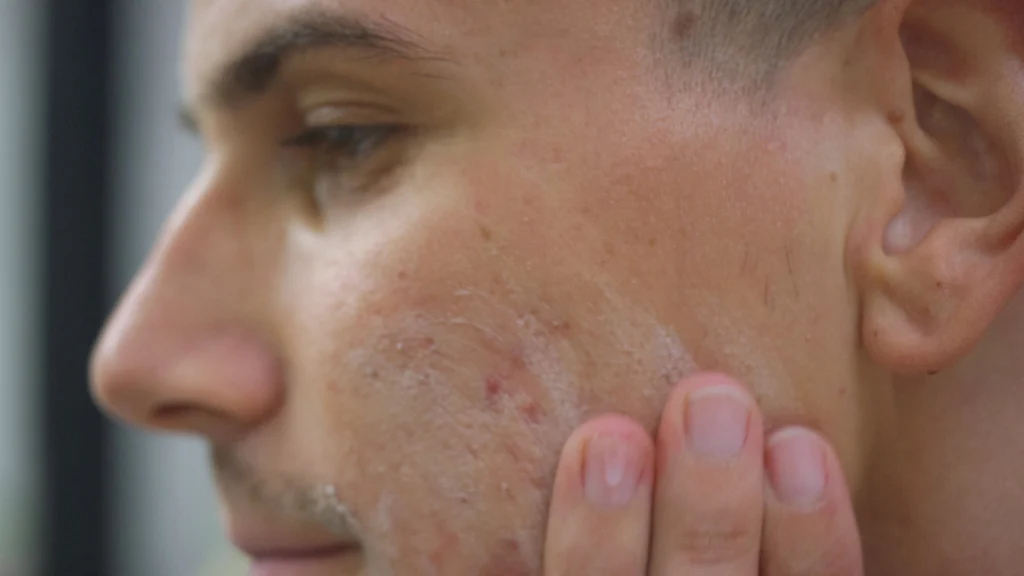
For small skin problems, different skincare products or additional moisture can be helpful in combating changes from medication. Worsening acne, melasma, or sun sensitivity can be helped with topical products or covered up by daily makeup products. Switching to products that are marketed towards sensitive skin or acne-prone skin may help add nutrients back to the skin without causing damage or pain.
Even if you haven’t started a new medication, wearing SPF daily will help protect your skin and lower your risk of skin cancer. Wearing sun protection, including SPF and head coverings, will protect your skin if a medication may cause photosensitivity. Avoid prolonged sun exposure until you are off the medication, or wear long sleeves or sun hats if it is a long-term medication.
Skin Education From The Skin Institute
Estheticians need to understand all of the complexities of different skin types, especially if they want to treat customers with care and calming services. During education at The Skin Institute, students will learn about anatomy, skin types, skin irritation, and how medications affect the body. Working with different clients with all different skin types will require estheticians to take special care when applying skincare or makeup products.
The Skin Institute is committed to providing the highest quality education for those seeking a career in spas, medical spas, or running their own esthetics studio. Our team has some of the industry leaders teaching the next generation the skills they need to succeed. Our students will be certified and confident when entering the workforce after completing our courses. Located in St. George, Utah, The Skin Institute can help you achieve your dreams of working with others and helping them look and feel their best.


