the skin institute new logo

The Skin Institute

435-429-2200
  • Courses Offered
    • Esthetics Permit
    • Master Esthetics
  • Guest Services
    • What to Expect
    • Prices
      • Facials
      • Advanced Facial Treatments
      • Chemical Peels
      • Body Treatments
      • Enhancement Add On’s
      • Lash and Brow Services
      • Waxing
      • Laser and Injections
  • About
    • Meet the Staff
    • Spa Tour
    • Why Choose Us
    • FAQ
  • Blog
  • Contact

Expired Makeup And Skin Care: When To Throw Out Your Products

Home / Archives for Esthetician School
Expired Makeup And Skin Care Product

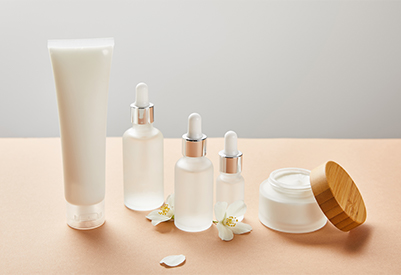
The products you use daily unfortunately won’t last forever. Many makeup products and skincare products have shorter shelf lives than you would expect. Using expired makeup and skincare products on your face can cause irritation, infections, or rashes. Here are some products that you should keep an eye out for and what to look for when they expire.

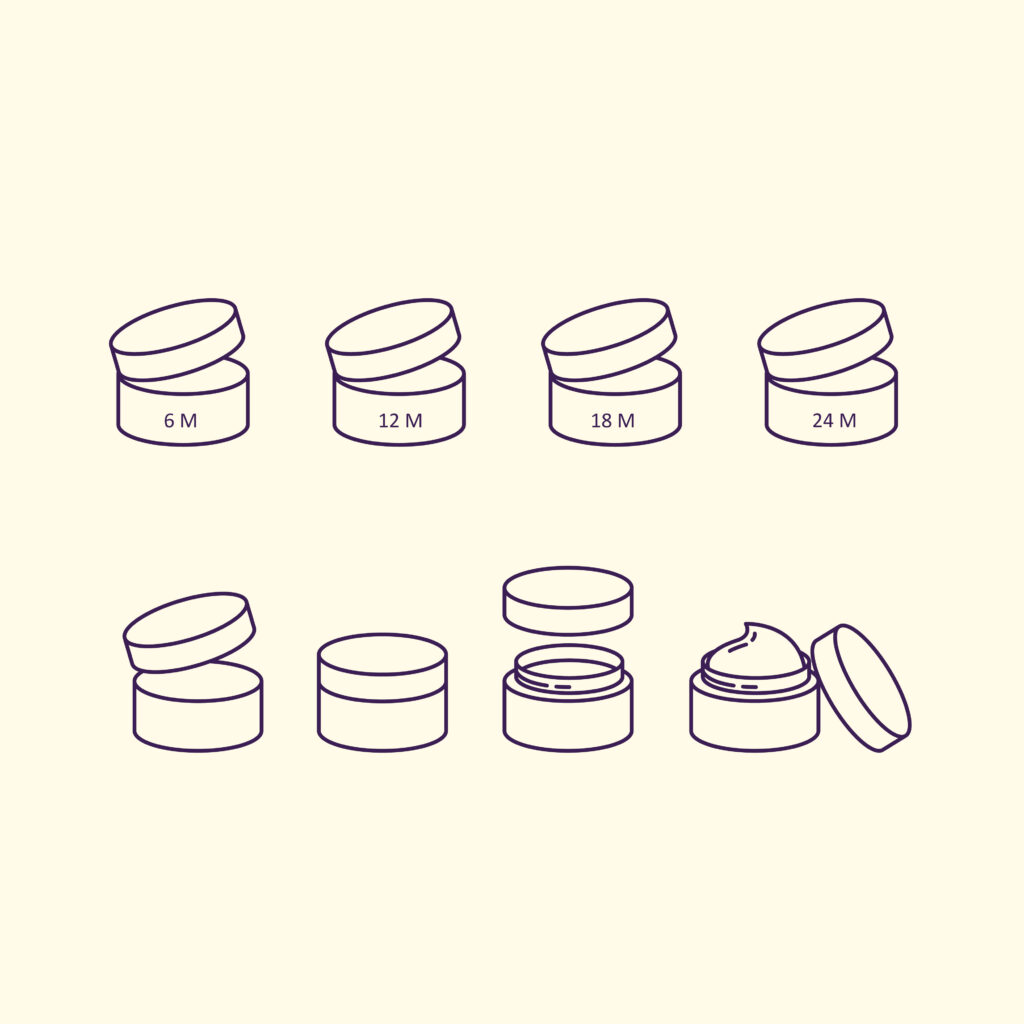
Most products have a small icon that includes a number of how long the product lasts. If the icon has a 6, then its shelf life is 6 months, and a 12 means a full year. The Skin Institute uses clean and nonexpired products in our client services and teaches all estheticians about the importance of learning about expired makeup. 

Mascara

The lifespan and healthy usage time of mascara are around 3 to 6 months. Putting the mascara wand close to your eye means that expired makeup around your eye could lead to pretty serious eye infections. 

Some indicators to look for if you are unsure about how long you have had the tube are the smell and texture of the mascara. If it has separated and become clumpy, it is best to throw it out. To be on the side of caution, change your mascara with the seasons, which are around 3-month intervals. 
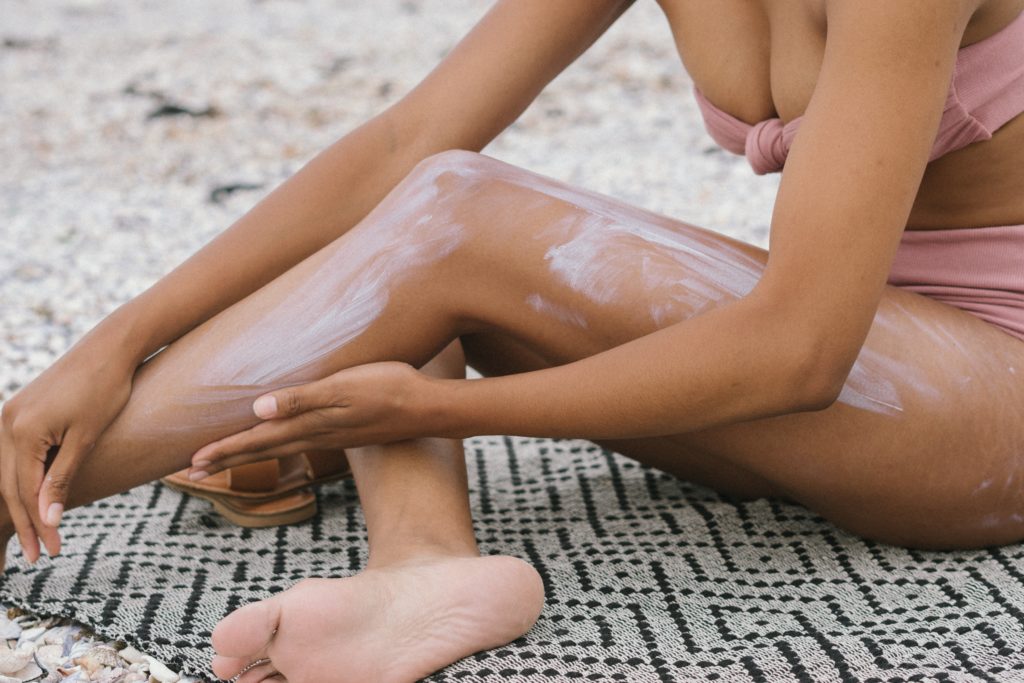
sunscreen The Skin Institute Saint George, UT

Sunscreen

Using expired sunscreen may be just as ineffective as not wearing any at all. Sunscreen is required by the FDA to last at full strength for 3 years, If you can’t remember when the container was purchased, you can check for separation or if the sunscreen has spoiled. Rather than chance skin damage, buying a fresh bottle can protect you from the sun’s harmful rays. 

Storing your sunscreen in a cooler place and ensuring that the cap is on or sealed can help prevent leaks and oil separation. The long shelf life of sunscreen makes it easy to never run out. 

Eyeshadow

Using past the expiration date on any eye product can be dangerous. Sensitive places like your lash line and eyelids can be more susceptible to bacteria and infections. Eyeshadow has an expiration date between 24-36 months after you purchase them. 

Vitamin C Serum

Serums of all kinds (retinol, AHA, etc.) should only be used for one year exactly in order for them to work effectively for your skin. Vitamin C serum often only lasts for around 6 months though. One way to tell if your serums are expired is the changing color or weird smell. Factors like temperature, light, and humidity can cause skin care products to expire faster so if you want to keep your skincare products for longer, store them in the fridge. 

Moisturizer

Moisturizer is one of those products that can last longer when unopened. If your moisturizer bottle is unopened, it can last two to three years. Opened moisturizer can last up to one year. If you feel like your moisturizer is not giving you the results you want, it may be best to trade it out for a new one. 

Unopened Vs. Used

Some makeup and skincare products last longer if they are unopened, but not all of them are safe. Sunscreen and moisturizers can last longer when they are unused. When properly stored and sealed, makeup that is unopened should last for two to three years. Creamier products that contain oils can start to separate or turn sooner than others. Expired makeup and skincare are a waste of money if it does not give you the results you want. 
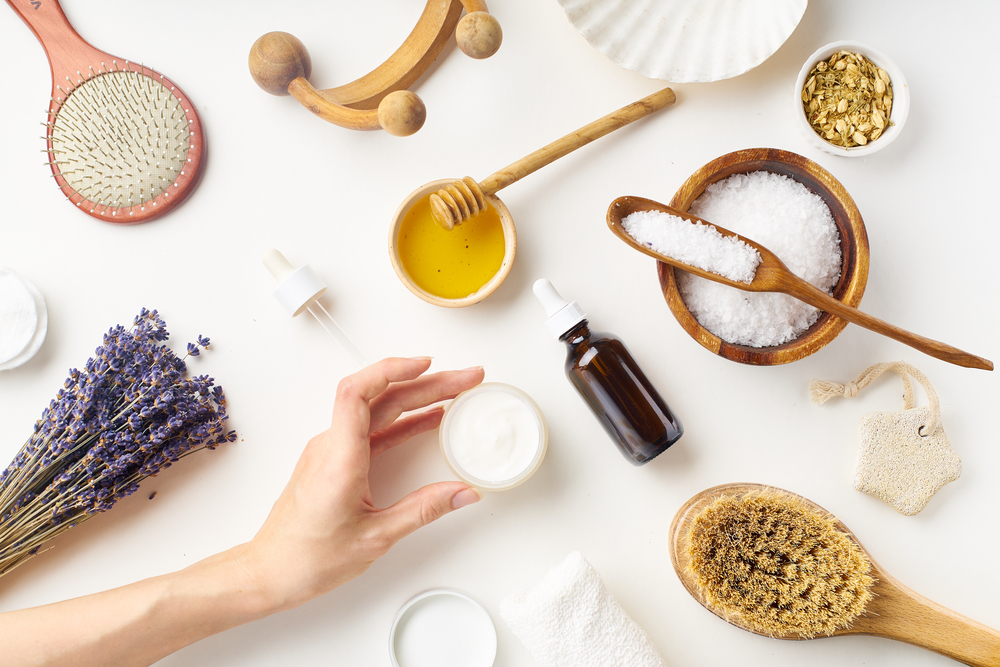
natural skin care ingredients

Learn More With The Skin Institute

Here at The Skin Institute, we teach a variety of esthetician skills, and our students learn about the ins and outs of skin. Using expired makeup and skin care products can be harmful to your skin, so we work hard to educate our clients and students on how to handle these products.


Located in St. George, The Skin Institute teaches esthetician and master aesthetics courses for those who love working with people and skin. Our school has an in-house medical director and master’s esthetician. Students can learn botox injections, laser treatments, and fillers from Dr. Patel and learn to wax, facial techniques, body treatments, and professional makeup from Mary Ronnow, our founder. If you are looking to gain your esthetician license, look no further than The Skin Institute.
Filed Under: Esthetician School

These two terms related to skincare are often words that people use interchangeably, but there are differences between dry skin and dehydrated skin. Because of these differences, there are different ways to care for these skin conditions. Dealing with dry skin and dehydrated skin can be helped by visiting a dermatologist or a licensed esthetician at The Skin Institute.

natural skin care ingredients, difference between dry skin and dehydrated skin

The Difference

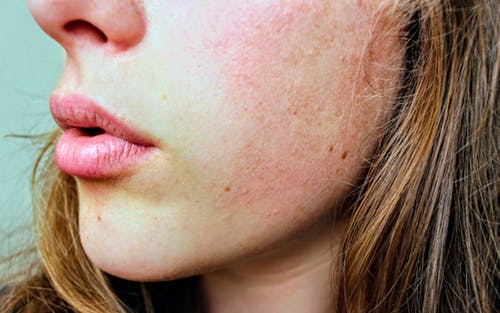
The main difference and indicator between dry skin and dehydrated are that dehydrated skin lacks water, while dry skin lacks oil. While they may have similar symptoms they have differences in how they appear on your skin. 

Dehydrated skin can be tested at a clinic and uses a pinch test to check the elasticity of the skin. You can also do this test at home and see if your skin wrinkles with gentle pressure instead of holding its shape. Another test can be done using a corneometer to test the hydration levels of the skin, not just if it is hydrated or not. 

If your skin is dry, you will have symptoms like roughness, itchiness, and flaking. General discomfort is a sign of dry skin. These can be treated with moisturizers. Dry skin leads to cracking in the skin which makes your skin more prone to infections and greater exposure to the lower layers of skin.

Treating And Prevention Of Dry Skin

Preventing dry skin can start with reducing how much time you spend in the water and reducing the temperature of your water. Taking lukewarm baths and showers can help your skin retain oil. Using natural soaps that contain oil can help keep your skin hydrated, especially after your bath or shower. 

If you experience dry skin, using the right moisturizer and lotions is important. Using raw ingredients can soften the skin and add moisture. One ingredient that you can start with is coconut oil, which is natural and less sticky for your skin. 

If your skin barrier is damaged, it will not be able to protect your skin properly. Using antioxidant-rich products and eating antioxidant-rich foods can help improve your skin barrier. Serums that include hyaluronic acid can help strengthen the skin. 

Nighttime skincare routines can help to treat both types of skin conditions. Using the right products for your condition is important though. If you have dry skin, make sure that you are using products that are oil-based. Dehydrated skin needs water-based products. Topical treatments for both are similar though, so if you are not sure which condition you have, using a moisturizer is better than nothing at all, until you can decide what condition your skin is experiencing. 

The Skin Institute Saint George, UT winter weather and your skin

Treating And Prevention For Dehydration

The most obvious reason for dehydrated skin is a lack of water for the rest of your body. But other things like excessive sweating, sunburn, diabetes, or fever can cause this skin condition. Adding more electrolytes to your diet and daily liquid intake can help to prevent and heal dehydrated skin. You can also help prevent dehydration by drinking less alcohol, getting more sleep, and eating moisture-rich foods. 

Hydration can also come from water-based moisturizers and add back those important water molecules to your skin. Eating foods such as cucumber, lettuce, tomatoes, or watermelon is high in water and can increase your water intake, which helps the hydration of your skin. 

Skin that is dehydrated can also be a sign of premature aging and can be treated with more vitamin A and hyaluronic acid. Because the skin is less elastic as it ages, helping to improve the strength of the skin can help your skin look less dehydrated. 

Esthetician School Saint George Utah The Skin Institute

The Skin Institute

Our esthetician school wants to help all people have great skin. Our estheticians learn about many different skin conditions, how to work with acne, what skin layers look like, and how to treat sunburns. Working with a licensed esthetician can help you gain healthy advice for your skin, while also receiving cosmetic treatment to help improve the look of your skin. 


Located in St. George, UT, The Skin Institute can help you to relax and have glowing skin. We offer courses for basic esthetics and master esthetics that can help our students grow their skin care careers. Our students want to help customers experience anti-aging benefits and love the skin they are in. Contact us today to help improve your skin.

Filed Under: Esthetician School

Changing your routine, traveling, and changing weather can affect your skin. Traveling to different places can cause breakouts, and neglecting your skincare routine while on vacation can make your skin dry out. 

While traveling this summer, it is important to wear SPF and keep to as much of your normal skincare routine as possible. Here are some tips to have in your back pocket while you are traveling this summer, or in the future.

Travel Skin Tips With The Skin Institute Saint George, UT

1- Retain Moisture

Your skin requires internal moisture and external moisture. It is important to make sure that you apply moisturizer to your skin and drink plenty of water to hydrate your skin. If you are traveling to a humid climate try to drink more water than you normally would. Hydrated skin helps your skin look younger and more buoyant.  

Traveling in the heat can make you dehydrated, so it is important to drink water for your skin and your overall health. 

2- Wear Sunscreen Even On Travel Days

Wearing sunscreen is the best way to protect your skin from damage. The sun’s UV rays can be really damaging to your skin cells and can cause skin cancer if you are not proactive about sunscreen. Even on days when you are in a car or on a plane, it is important to wear sunscreen. Flying on a plane can put you closer to the sun’s rays, so even though you are inside the plane, rays can still enter your skin through the windows. 

Wearing sunscreen daily that is at least SPF 30 can help your skin last longer. The Skin Cancer Foundation recommends reapplying sunscreen every couple of hours. 

3- Try To Stick To Your Orignal Products

Staying in a routine helps your skin stay consistent and keeps your skin healthy with products you already trust. Asking your skin to adjust to a new climate and new products can cause breakouts and moving them to different containers can cause them to work less effectively. 

If possible, keep your skincare in the original containers and store it in a cool, dark place that is away from extreme heat. Cleansers often do ok in travel bags and can be helpful to keep your skin clean. 

Skin Care While Traveling

4- Prepare For Acne Breakouts 

Even if you follow all the tips and do your best to keep your skin free of irritants, you can still experience breakouts. Stress, different water and pH balance, and outdoor elements can affect how your skin reacts. Breakouts are often unavoidable while traveling. Prepare for breakouts with benzoyl peroxide or acne patches. 

5- Treat Yourself To A Sheet Mask

Showing your skin some love is never a bad idea, especially while you are traveling. Travel can be stressful, so hydrating your skin after a long flight or after a long day at the beach can help hydrate your skin and keep your skin from breaking out. 

Facial mists are also another good option to help hydrate your skin. You can spray it periodically throughout your trip to keep your skin healthy and moisturized.  

6- Go Light On The Makeup

Fighting with makeup can be a battle for your skin and cause your skin to react badly. While traveling, you can use a tinted moisturizer or a moisturizer with SPF to help protect your skin, while covering breakouts. Makeup can get cakey throughout the day and won’t look good after traveling or touring the town. Go light on the makeup to help your skin and give you a more natural look with glowy skin. 

nighttime skincare routine The Skin Institute Saint George, UT

7- Use Antibacterial Handwash

Keeping oils and dirt off your hands can help transfer those to your skin. Using antibacterial soap kills germs on your hands and can keep you healthy and free of harmful germs and oils. Keeping your hands away from yourself will also help prevent breakouts, but having clean hands will help if you do have to touch your face. 

The Skin Institute

The Skin Institute works with our students to teach them about skin and how it reacts to the elements. We work with students to teach them about skincare and esthetics that will help their skin look younger and more healthy.

If you have a passion for skin care and helping others, esthetician school might be the right fit for you. Our teachers and doctors help to produce the best estheticians in the state. Our school offers basic esthetics courses and master esthetics courses to best fit your educational goals. Working with us in St. George, UT is a wonderful experience for students and customers alike. Contact us to schedule an appointment for a facial peel, massage, or more, today! 

Filed Under: Esthetician School

« Previous Page
Next Page »

Hours

552 N. Dixie Dr.
Saint George, UT 84770
(435) 429-2200
Monday 8:30 AM - 8:00 PM
Tuesday 8:30 AM - 8:00 PM
Wednesday 8:30 AM - 8:00 PM
Thursday 8:30 AM - 8:00 PM
Friday 8:30 AM - 8:00 PM
Closed Saturdays, Sundays and most federal holidays.

Location

Services

  • Facials
  • Advanced Facial Treatments
  • Chemical Peels
  • Body Treatments
  • Enhancement Add On’s
  • Lash and Brow Services
  • Waxing
  • Laser and Injections

Follow Us

The Skin Institute - Facebook The Skin Institute - Twitter The Skin Institute - Instagram The Skin Institute - Pintrest The Skin Institute - Linkedin

2026The Skin Institute | All Rights Reserved | Privacy Policy | Terms | XML Sitemap | Sitemap | Site by PDM