the skin institute new logo

The Skin Institute

435-429-2200
  • Courses Offered
    • Esthetics Permit
    • Master Esthetics
  • Guest Services
    • What to Expect
    • Prices
      • Facials
      • Advanced Facial Treatments
      • Chemical Peels
      • Body Treatments
      • Enhancement Add On’s
      • Lash and Brow Services
      • Waxing
      • Laser and Injections
  • About
    • Meet the Staff
    • Spa Tour
    • Why Choose Us
    • FAQ
  • Blog
  • Contact

How To Transition Your Skincare Routine For Each Season

Home / Archives for Esthetician School
skincare tips The Skin Institute Saint George, UT

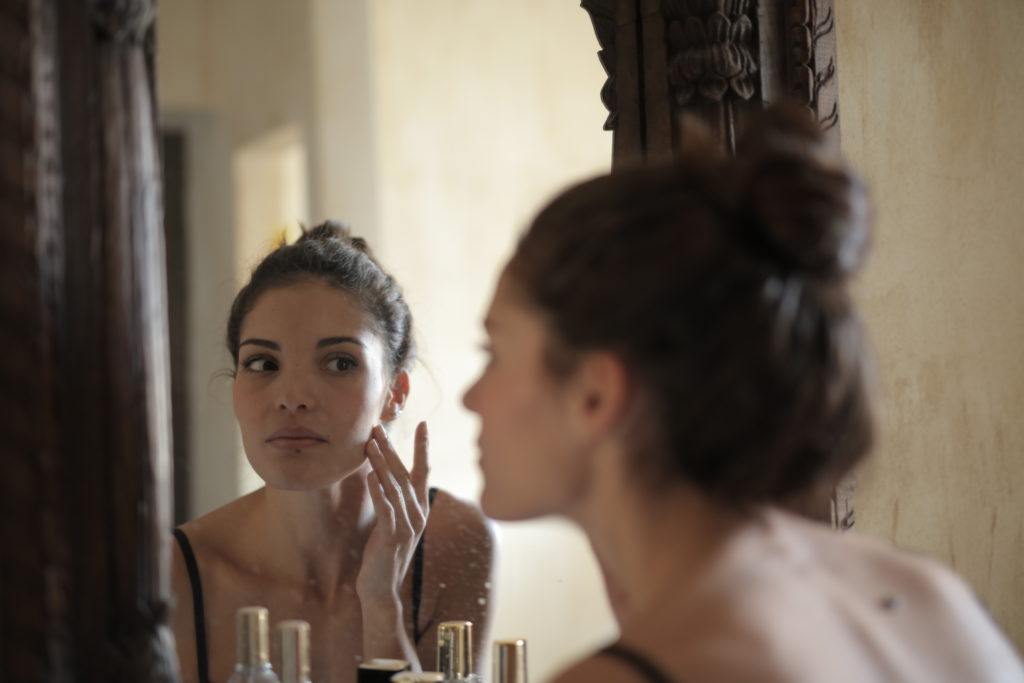
Our skin is one of the most sensitive parts of our body, which means that we need to take care of it through each season. Temperature changes that come with different seasons are one of the biggest factors that affect our skin. While you may not need to change your skincare routine completely, each season will require different considerations and you should limit environmental stressors as much as possible. 

Working with an esthetician or dermatologist can help you find the right products for each season. Paying attention to the products you use and how you use them during each season will help your skin stay healthy. Here are our top tips for skincare routines in each season. 

Refresh For Spring

Similar to spring cleaning your home, your skincare routine can use a refresh during the springtime. Not only is this a great time to get rid of products you no longer use, but to also find products that refresh the skin after a dry winter. 

One skincare tip to follow in the spring is exfoliation. Gentle exfoliation can help remove dead skin cells while brightening up your complexion. 

Lighten Up Moisturizer

As the weather gets warmer, your skin won’t need as much protection from the cold and dry air. Using a lighter moisturizer in the spring will prevent clogged pores. Moisturizing is important during every season to protect from free radicals and other environmental factors, but choosing a liquid moisturizer rather than a cream is helpful as temps warm up. 

Antioxidants

The best way to renew your skin is to increase antioxidants. Vitamin C and other antioxidant-rich ingredients are helpful for skin to fit environmental damage. Pollution, dirt, free radicals, and oil can all damage your skin, but antioxidants can help fight against them. 

Products with antioxidants include:

  • Hyaluronic acid
  • Vitamin C
  • Niacinamide
  • Resvertrol
  • Retinol
  • Polyphenois

Double Skin Protection For Summer

The biggest threat to your skin health is UV damage. Protecting your skin during the summer is crucial to keeping your skin looking and feeling its best. Summer calls for added SPF, hydration, and soothing. 

If you experience a sunburn, treating it with aloe vera is the best way to restore some skin cells. Aloe products can cool your skin from sunburns or rashes that are common with heat and sweat. 

Use Hydrating Products

Skincare for every season

Higher sun exposure can dry out your face, arms, back, and shoulders easily. Using hydrating sunscreen and other products during your night time routine can be rejuvenating. Try hydrating sheet masks, lightweight lotions, or gel-based cleansers. 

Prepare For Cold Weather In The Fall

After the summer you can prepare your skin for colder temperatures that come in the fall and winter. As the air dries out, preparing your skin for these changes will put you ahead of challenges like dry patches, acne, or discoloration.

Repair Sun Damage

Now that sun exposure is limited, take the time to repair any sun damage that occurred during the summer. Utilize aloe, moisturizers, and skin barrier repair products. Look for ingredients like retinol and peptides that are good for skin regeneration. 

Transition Back To Richer Moisturizer

Before the really cold temperatures set in, start incorporating richer creams into your nighttime skincare routine. Giving your skin plenty of moisture is important to help keep it looking lively during the fall and winter. 

Finding products with humectants can attract moisture from the air to your skin. This can help when the air is relatively dry and if you have a dry skin type as well. Products with hyaluronic acid or glycerin can increase your skin’s moisture count.

Advanced Treatments With Less Sun Exposure

Advanced treatments like chemical peels or laser therapy are best done during the fall. Less UV exposure is preferred when your skin is vulnerable after these tactics. Completing these in the fall will help you have new and rejuvenated skin cells before the winter and limit UV damage to your sensitive skin as it builds back up.

Nourish And Hydrate In The Winter

The dry and cold air of the winter is harsh on the skin. Keeping your skin healthy can be hard during the winter because of fluctuating temperatures, UV reflection, and wind burns. Thicker products with added hydration should be worked into your morning and evening skincare routine. As the seasons change, you may need to have a set of products for colder temperatures and a set for warmer temperatures to prevent dry skin. 
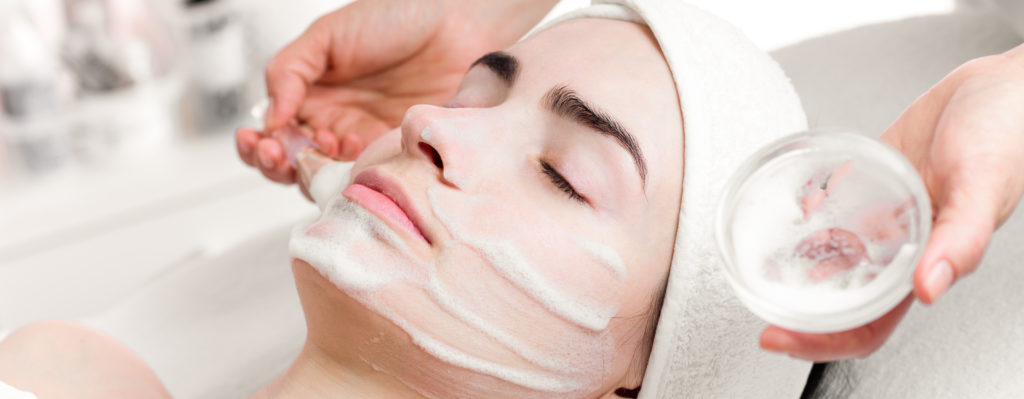
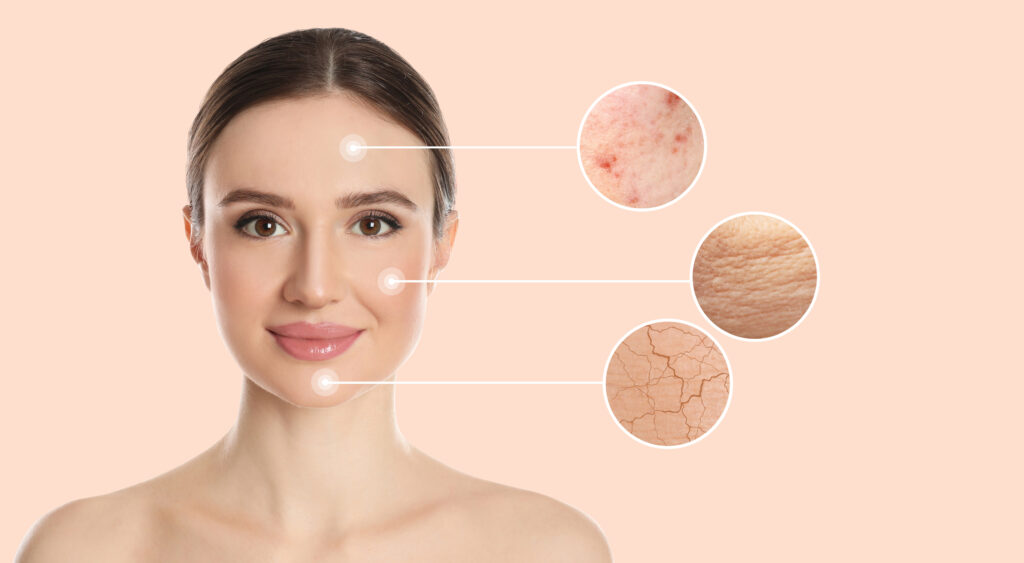
Remedies and treatment for skin texture

Cream Cleansers And Thick Moisturizer

The winter weather can strip your skin of natural oils. This is why many people experience dry skin during this season. This makes cleansing and cleaning your face more damaging if you don’t use the right products. Cleansers that are cream or oil-based are best for the winter. 

Don’t Skimp On SPF

Even though the sun tends to hide during the winter, snow and other light areas can still reflect UV rays. During the winter, you should still plan on wearing SPF to protect your skin. A broad-spectrum sunscreen should be a part of your skincare routine through all seasons. 

Esthetic Tips From The Skin Institute

Our esthetician school is proud to serve students in St. George, UT. We teach basic and master esthetician courses and techniques to help set you up for success in a saturated market. Our students will learn more about skin types, makeup techniques, skin repair, and massage therapy. Check out some of our specialty courses and what we offer on our website.
Filed Under: Esthetician School

Determining and Understanding Your Skin Type

Whether you’re an aspiring aesthetician or a DIY self-care enthusiast, one of the fundamental skills of providing effective skin care is determining different skin types. For aestheticians, knowing your clients’ skin types is crucial for tailoring treatments and recommending appropriate products, and for everyone else, it’s important to understand your own skin’s unique characteristics so you can take the best possible care of it. 

Keep reading to learn more about the basic skin types, how to determine which category you fit into, and get tips for determining the right treatments.

The Importance of Knowing Skin Types

Skin type identification is the cornerstone of effective skincare. Each type responds differently to various treatments and products, and using the wrong ones can have adverse effects. By learning how to accurately identify skin types, you can avoid potential issues like irritation and excessive dryness or oiliness, ensuring your and your client’s skin remains healthy and radiant.

The Five Basic Skin Types

There are five basic skin types — normal, oily, dry, combination, and sensitive — each with distinct characteristics and specific care requirements.

Normal Skin

Characteristics include balanced moisture and sebum production, small pores, smooth texture, and even tone. Individuals with normal skin rarely experience blemishes or extreme sensitivity. To care for normal skin and avoid disrupting its ideal balance, use light moisturizers, broad-spectrum sunscreens, and gentle cleansers.

Oily Skin

Oily skin is characterized by enlarged pores, excessive sebum production, a shiny complexion, and a tendency to develop acne and blackheads. Individuals with oily skin should opt for oil-free, non-comedogenic products, use salicylic acid or benzoyl peroxide treatments for acne, and include astringents or toners in their skincare routines.

Dry Skin

Dry skin lacks natural oils, causing it to feel tight and rough. It can also be more prone to fine lines and flaking. The goal is to repair the skin barrier with emollient products. Avoid harsh exfoliants, use hydrating cleansers and rich moisturizers, and incorporate products that include glycerin and hyaluronic acid.

Combination Skin

Combination skin has both oily and dry areas, typically with an oily T-zone (chin, nose, and forehead) and dry cheeks. Create a balanced skincare routine by using different products tailored to each zone, like rich creams for dry patches and lightweight moisturizers for the T-zone.

The Skin Institute Saint George, UT winter weather and your skin

Sensitive Skin

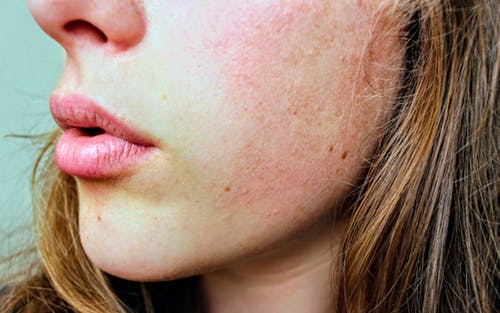
As the name suggests, sensitive skin is easily irritated, often reacts negatively to certain products or environmental factors, and is prone to itching, burning, and redness. To prevent adverse reactions and protect the skin from damage, use fragrance-free, hypoallergenic products, incorporate soothing ingredients like chamomile and aloe vera, and avoid harsh chemicals and exfoliants.

Steps to Determine Skin Type

To determine a client’s skin type, incorporate these steps into their consultation. You can also perform these steps on yourself at home.

#1. Visual and Tactile Examination

Begin by looking at the client’s skin under sufficient light. Make note of any visible characteristics such as redness, oiliness, or flaky patches. Gently feel the skin to assess its moisture level and texture. Is it soft and smooth or rough and bumpy? Does it feel dry or oily?

#2. Cleansing Test

Next, have the client wash their face with a gentle cleanser and pat the skin dry. After a while, observe how their skin behaves without any products to gain insight into their natural skin type. 

Normal skin remains comfortable without feeling tight or oily. Dry skin may feel tight and show signs of flaking, while oily skin can develop a noticeable shine. In combination skin, the T-zone becomes oily, while the cheeks remain dry. Sensitive skin may redden or show signs of irritation.

#3. Blotting Sheet Test

Use blotting papers to gently press on different areas of the face, identifying oily versus dry zones. Minimal oil on the blotting paper indicates normal skin, significant oil is a sign of oily skin, and little to no oil means dry skin. This test may not be as effective for identifying sensitive skin.

skincare tips The Skin Institute Saint George, UT

#4. Client Questionnaire

Ask your client about their skincare routine, which products they use, and whether they’ve experienced any skin issues. Include the following questions:

  • How does your skin usually feel at the end of the day?
  • Do you experience frequent redness or breakouts?
  • How does your skin typically react to new products?
  • Have you noticed any seasonal changes in your skin?

The Skin Institute: Building Fundamental Skills

At the Skin Institute, we recognize the importance of fundamental knowledge. We work with our students to build foundational skills, such as identifying clients’ skin types, that will help them find success as estheticians or aestheticians. Contact us today to learn more about how our basic and master esthetics courses can be the starting point for your future career!

Filed Under: Esthetician School

Specialized Areas of Esthetic Education

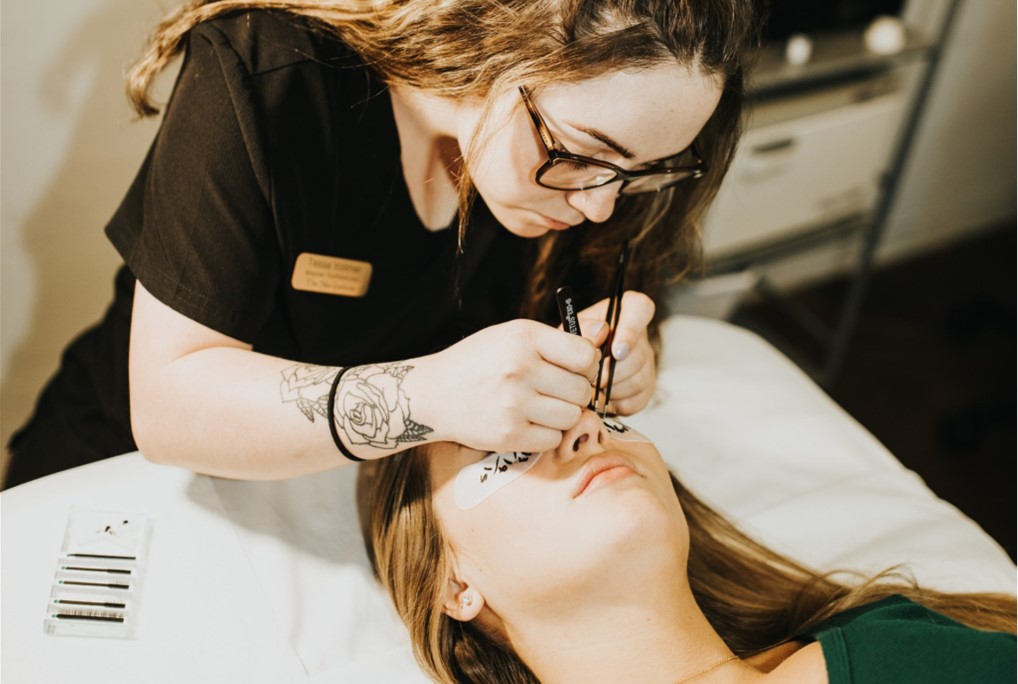
Becoming an esthetician means that you will be able to work in many different spas, salons, or industries. Estheticians can further their education after taking basic or master’s courses to set them apart from others in the industry. Specialized areas can help you better treat your client’s needs or help you move up in your career. Estheticians can learn many different skills in their required courses for licensing, but there are additional skills that can be built upon to help you continue your esthetics education. 

1- Medical Esthetics

Estheticians can learn medical treatments from dermatologists or plastic surgeons to help individuals treat their specific skin needs. Medical esthetics typically involves chemical peels, microdermabrasion, laser treatments, filler, post-operative care, or problematic skin treatments. 

Medical estheticians utilize laser and light-based procedures in medical offices, dermatologist offices, medical spas, and alongside plastic surgeons. These estheticians will help you achieve the desired result from skin procedures and help maintain any work you have done by a professional. 

2- Massage Therapy

Estheticians and massage therapists can become dual-licensed to offer both services in their workplace. This will allow you to specialize in more services and market yourself to more people. Massage therapy and esthetics can go hand in hand to help improve your overall health. 

Providing facials and massages together is a great selling point for many clients. It is also a great way to break up your day by offering a variety of services that can give your hands a break. 

3- Makeup Artistry

New Esthetics School Location The Skin Institute Saint George, UT

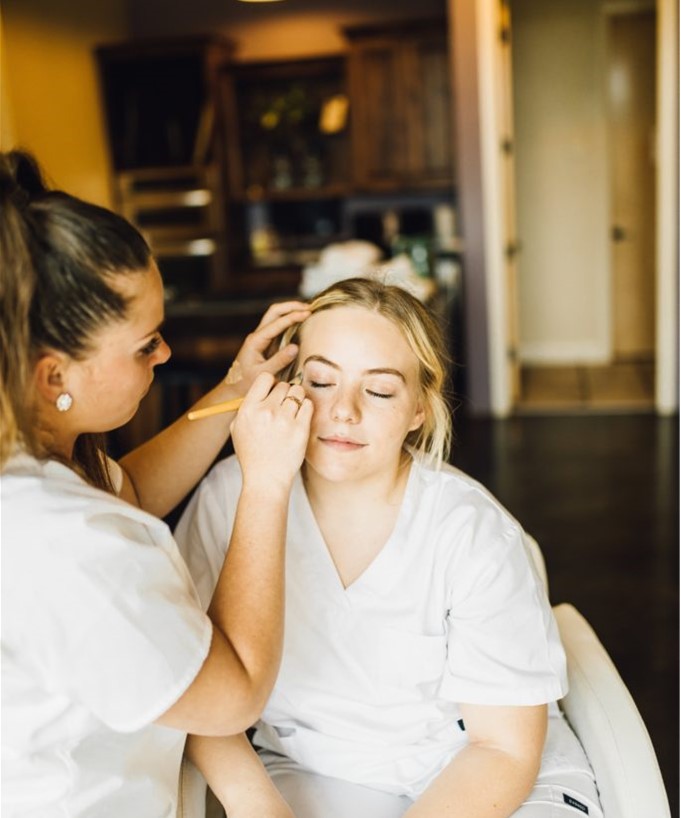
Many estheticians are passionate about helping clients love their skin while wearing makeup or not. Makeup artistry is a common one on the list of specialized areas that can be explored by an esthetician. Makeup can help enhance your beauty and help clients feel more confident about special events.

While makeup isn’t directly related to skincare, it can help improve your complexion temporarily, and wearing the right makeup products can improve your skin problems. Estheticians who have specialized training in makeup application can work in salons and spas, freelance for large events or parties, in the fashion industry, or in the commercial photo industry. Many estheticians that take makeup application courses work by appointment or personal hire only which allows them to do makeup on clients for weddings, birthday parties, or other special events where they come directly to the client. 

4- Holistic Esthetics

Some clients may prefer to adopt a more holistic approach to their skincare and physical appearance. Holistic esthetics is almost the opposite of medical esthetics as it uses aromatherapy techniques, massage, lymphatic drainage, and energy balancing to help improve your skin. During esthetics education, many professionals will learn the art of holistic calming techniques in combination with medical and product knowledge. Holistic estheticians will help provide guidance on lifestyle changes or diet changes that can help impact your skin health. 

5- Spa Management

Some estheticians may prefer to not work directly with clients 24/7, so management may be a better career path. Spa managers can still offer esthetic services when they want to, but they also oversee the daily operations of the spa, teach or mentor new estheticians, and ensure quality customer service in their spa. Managers can also pursue other passions like marketing, prep work, budgeting, or planning to help the business grow. 

6- Specific Skin Treatment 

There are multiple different skin types and skin conditions that estheticians need to learn about. Estheticians can specialize in certain skin conditions like acne, melasma, eczema, rosacea, etc. Understanding what products irritate the skin or what treatments can help improve these conditions can set you apart from others in the industry. 

New Esthetics School Location The Skin Institute Saint George, UT

Specialized Areas And Basic Courses From The Skin Institute In St. George, UT

Our team at The Skin Institute offers basic and master esthetician courses to those looking to further their skincare knowledge. Our team helps aid in professional esthetics education to make sure we are contributing high-quality workers to the esthetics industry. Our St. George school helps teach valuable skills needed to work as an esthetician or in any of these other specialized areas. 


The Skin Institute offers full-time schedules and part-time schedules to fit your unique needs. Our school has an impeccable reputation for providing high-quality estheticians to the state of Utah. Whether you want to specialize in one of these areas or want to just practice basic esthetics, our teachers and mentors are here for you. Contact us to get started today!

Filed Under: Esthetician School

« Previous Page
Next Page »

Hours

552 N. Dixie Dr.
Saint George, UT 84770
(435) 429-2200
Monday 8:30 AM - 8:00 PM
Tuesday 8:30 AM - 8:00 PM
Wednesday 8:30 AM - 8:00 PM
Thursday 8:30 AM - 8:00 PM
Friday 8:30 AM - 8:00 PM
Closed Saturdays, Sundays and most federal holidays.

Location

Services

  • Facials
  • Advanced Facial Treatments
  • Chemical Peels
  • Body Treatments
  • Enhancement Add On’s
  • Lash and Brow Services
  • Waxing
  • Laser and Injections

Follow Us

The Skin Institute - Facebook The Skin Institute - Twitter The Skin Institute - Instagram The Skin Institute - Pintrest The Skin Institute - Linkedin

2026The Skin Institute | All Rights Reserved | Privacy Policy | Terms | XML Sitemap | Sitemap | Site by PDM